
News Summary
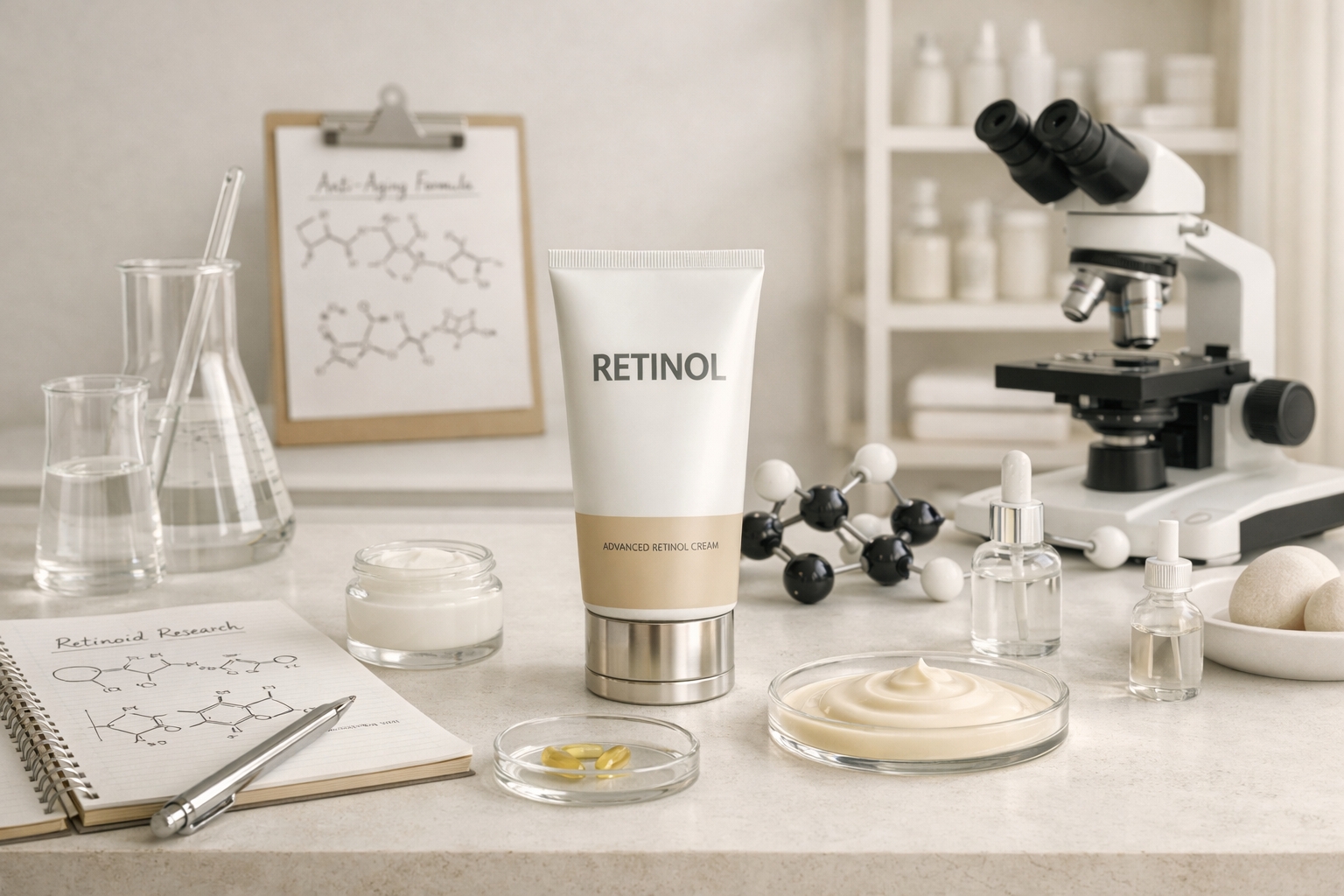
Retinol, one of the most well-researched and widely used skincare ingredients, is increasingly being questioned in online spaces, especially on TikTok and other social media platforms.
In recent years, conversations around “skin barrier health” and “clean beauty” have grown, leading some users to reconsider the use of strong active ingredients like retinol.
A large amount of user-generated content highlights negative experiences such as dryness, peeling, and irritation, often described as “retinol uglies.” These personal experiences have contributed to a broader skepticism toward the ingredient.
Some viral claims suggest retinol may thin the skin or be harmful, but dermatologists and skincare experts disagree with these interpretations.
Experts emphasize that retinol remains one of the most studied topical ingredients in dermatology. Side effects are usually linked to incorrect usage, excessive concentration, or lack of gradual introduction. Long-term benefits include improved skin texture and collagen production.
The article also highlights that different forms of vitamin A derivatives (retinol, retinal, and prescription retinoids) vary significantly in strength and tolerability.
Source:
NBMakeup Analysis
1) What this means
This situation reflects a shift in how skincare authority is formed—not a rejection of science, but a rebalancing of influence.
Traditionally, skincare trust was structured through:
- dermatological research
- clinical evidence
- brand authority
In the current digital environment, an additional layer has become influential:
- user experience shared in short-form content
- visible “before/after” results
- emotionally charged personal narratives
This creates a more complex decision system where consumers are not only asking whether something works scientifically, but also how it performs in real-life, relatable experiences.
Importantly, this does not replace scientific authority, but it can influence perception earlier in the decision-making process.
2) What is interesting / unusual
What stands out is not that people are questioning skincare ingredients—this has always existed—but the speed and structure of how that skepticism spreads today.
A few key dynamics:
- Negative skincare experiences are more “content-friendly” than neutral outcomes.
- Algorithm-driven platforms amplify emotional and personal storytelling.
- Scientific explanations often lack the same viral format as experiential content.
As a result, perception can shift even when the scientific foundation remains unchanged.
This creates a visibility gap between: clinical consensus vs lived experience narratives.
3) What remains uncertain
- Whether this shift changes long-term usage of retinol or only short-term perception cycles.
- How dermatologists and brands adapt communication for social media logic.
- Whether alternative ingredients (like retinal or bakuchiol) will gain structural market share.
- How consumers will balance scientific authority with peer-driven content in future decisions.
NBMakeup Verdict
This is not a decline in scientific credibility of retinol.
It is a shift in how skincare credibility is constructed and perceived.
Retinol remains scientifically validated, but its cultural authority is becoming more distributed across scientific, brand, and social experience layers.
The key change is not: “science vs social media”
but rather: “how science is interpreted through social experience.”

No comment