
The honest answer, backed by the people who actually formulate and prescribe this stuff: usually not — with specific, narrow exceptions. Here’s the evidence, not the vibe.
What the research actually shows
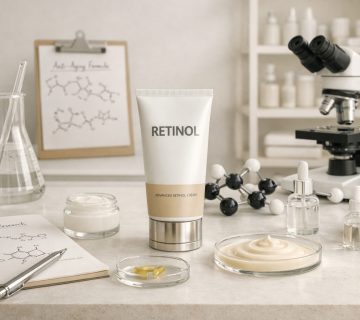
A 2025 price analysis of over-the-counter retinol products, published in the Journal of Cosmetic Dermatology, examined how OTC retinol pricing varies across the market. The consistent finding in this line of research (the same authors previously studied OTC minoxidil pricing) is that price differences are frequently unrelated to the concentration of active ingredient in the product — meaning a significantly more expensive retinol does not reliably contain more retinol, or a more effective form of it.
A separate cost-based analysis of anti-aging products across four major US retailers compared pricing for retinol, vitamin C, and niacinamide formulations by cost-per-ounce. The point of that research wasn’t to rank brands — it was to give dermatologists hard data so they can guide patients toward cost-effective, evidence-based options instead of assuming price signals quality.
What formulators and dermatologists say
Cosmetic chemist Michelle Wong has pointed out that rigorous product testing and formula optimization can justify a higher price — but that doesn’t mean a higher price guarantees those things happened. Dermatologist Lauren Ploch has noted something the industry doesn’t advertise: many drugstore brands are owned by the same parent companies as the luxury lines sitting next to them at Sephora, sometimes with comparable or better underlying technology. Her framing is blunt — the extra cost of a “cosmetically elegant” luxury formula is often a texture and sensory preference, not a difference in whether the product actually works.
Where the price premium is justified
This isn’t “all expensive skincare is a scam.” There are real exceptions:
Prescription-grade and medical-office products — cosmeceuticals dispensed through a dermatologist’s office can contain actives and concentrations not legally available over the counter.
Products built around a genuinely rare or proprietary ingredient with its own clinical backing — not just a rebranded common compound.
Specialized treatment categories (hyperpigmentation, active acne, scarring) where a targeted, higher-concentration formula can outperform a generic one-size-fits-most drugstore version.
Where the price premium is not justified
Cleansers, basic moisturizers, and body lotions are the categories where dermatologists most consistently say spend does not equal outcome — these products stay on skin too briefly, or rely on ingredients (glycerin, ceramides, hyaluronic acid) that are cheap to source and widely available at every price point.
The bottom line
Price is a signal of marketing spend, packaging, and brand positioning far more reliably than it’s a signal of efficacy. The only way to actually know if a product will work for your skin is to check the ingredient list and concentration against the evidence for your specific concern — not the number on the price tag.
Sources:
Parikh & Lipoff, “Price Analysis of Over-the-Counter Retinol Products,” Journal of Cosmetic Dermatology (2025); “A Cost-Based Analysis of Anti-aging Products Across Four Major United States Retailers” (PMC); Michelle Wong, cosmetic chemist; Dr. Lauren Ploch, board-certified dermatologist, via The Daily Beast.
No comment