

News Summary :
Bridgepoint, a private equity firm, has acquired the skincare brand Obagi Medical from Waldencast for an estimated $460 million.
Obagi is a dermatology-driven skincare brand, meaning its products are primarily based on clinical research and medical skincare principles rather than trend-driven beauty marketing.
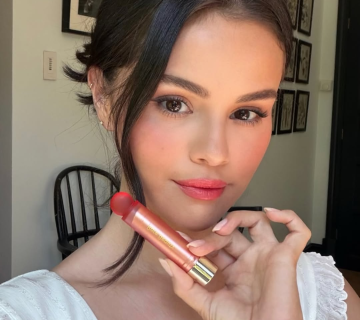
Following this transaction, Waldencast has decided to shift its strategic focus toward its brand Milk Makeup, which operates more in the trend-driven and consumer beauty segment.
This is not an isolated case. In recent years, multiple dermatology-focused skincare brands have been acquired by investment firms and larger holding companies, signaling a broader shift toward clinical and science-backed skincare as a stable investment category.
Professional Analysis :
1. What is actually happening?
This is not just a brand ownership change.
The key shift is:
- Beauty brands are increasingly being treated as tradable financial assets rather than purely consumer-facing products.
2. Changing industry logic
In the past, beauty brands grew through:
- Viral marketing
- Influencer campaigns
- Celebrity endorsements
- Trend cycles
Today, the key metrics are:
- Profitability
- Revenue stability
- Long-term scalability
- Resale or exit value
This represents a shift from marketing-driven logic to investment-driven logic.
3. Why dermocosmetic brands matter more now
Brands like Obagi are attractive because:
- They encourage repeat purchases
- They are less dependent on trends
- They are associated with health and treatment, not just aesthetics
- They are supported by clinical research
As a result, they are more predictable and financially stable than trend-driven makeup brands.
4. The two emerging beauty ecosystems
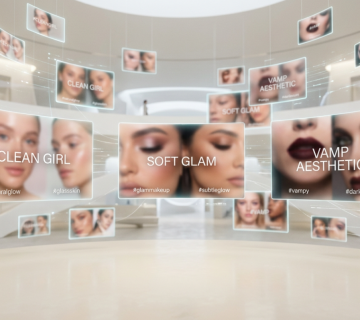
1. Fast Beauty (Trend-driven)
- Viral makeup products
- TikTok/Instagram trends
- Short product life cycles
- High dependency on influencers
2. Clinical Beauty (Science-driven)
- Dermatology-based skincare
- Medical aesthetics
- Long-term skin health focus
- Stable and predictable growth
Obagi clearly belongs to the second category.
NBMakeup Perspective :
The entry of private equity firms into the beauty industry is not just a simple ownership shift; it represents a fundamental change in how the industry makes decisions.
This shift can bring several important downsides.
1. Changing the core purpose of beauty brands
When a beauty brand is acquired by an investment firm, its primary goal often changes:
- Previously: building a brand with identity, quality, and consumer loyalty
- Now: increasing financial value for future resale or exit
This subtle shift has a major impact: decisions may be driven less by “what is best for the skin” and more by “what drives financial growth.”
2. Possible pressure on product quality (important point you raised)
In investment-driven models, the focus often shifts toward:
- reducing production costs
- increasing profit margins
- simplifying formulations for mass production
- shortening R&D cycles
This does not always happen, but it is a real risk:
- When short-term profitability becomes the primary goal, product quality can turn into a variable to optimize rather than a fixed priority.
In the beauty industry, this may appear as:
- simpler but cheaper formulations
- reduced long-term testing
- more focus on packaging and marketing than R&D
3. Slower real innovation
Skincare innovation is usually slow, expensive, and research-intensive.
But financial investment logic often demands faster returns.
This tension can lead to:
- less scientific risk-taking
- more repetition of already successful formulas
- slower breakthrough innovation
4. Turning brands into tradable assets
When brands are treated as financial assets:
- their core value becomes “resale potential”
- not emotional connection with consumers
This gradually makes the relationship between brands and consumers more transactional and less identity-driven.
5. Distance from real consumer experience
In this model, decisions are increasingly based on:
- sales data
- market growth
- investor expectations
rather than actual user experience.
As a result, consumer needs may become secondary to financial logic.
NBMakeup Verdict :
There are growing signs that investment capital and financial logic are playing an increasingly influential role in the beauty industry. The rise in brand acquisitions, the growing presence of private equity firms, and the expansion of science-backed and dermatology-focused brands may all be part of this broader shift.
However, it remains unclear how this trend will affect product quality, innovation, brand identity, and consumer experience in the long term.
For now, perhaps the most important takeaway is that the beauty industry is no longer shaped solely by trends and consumer preferences; financial and investment considerations are becoming part of the equation as well.
Whether this transformation ultimately benefits consumers, brands, and the future of the industry remains an open question—one that will likely become clearer in the years ahead.





No comment