
The News
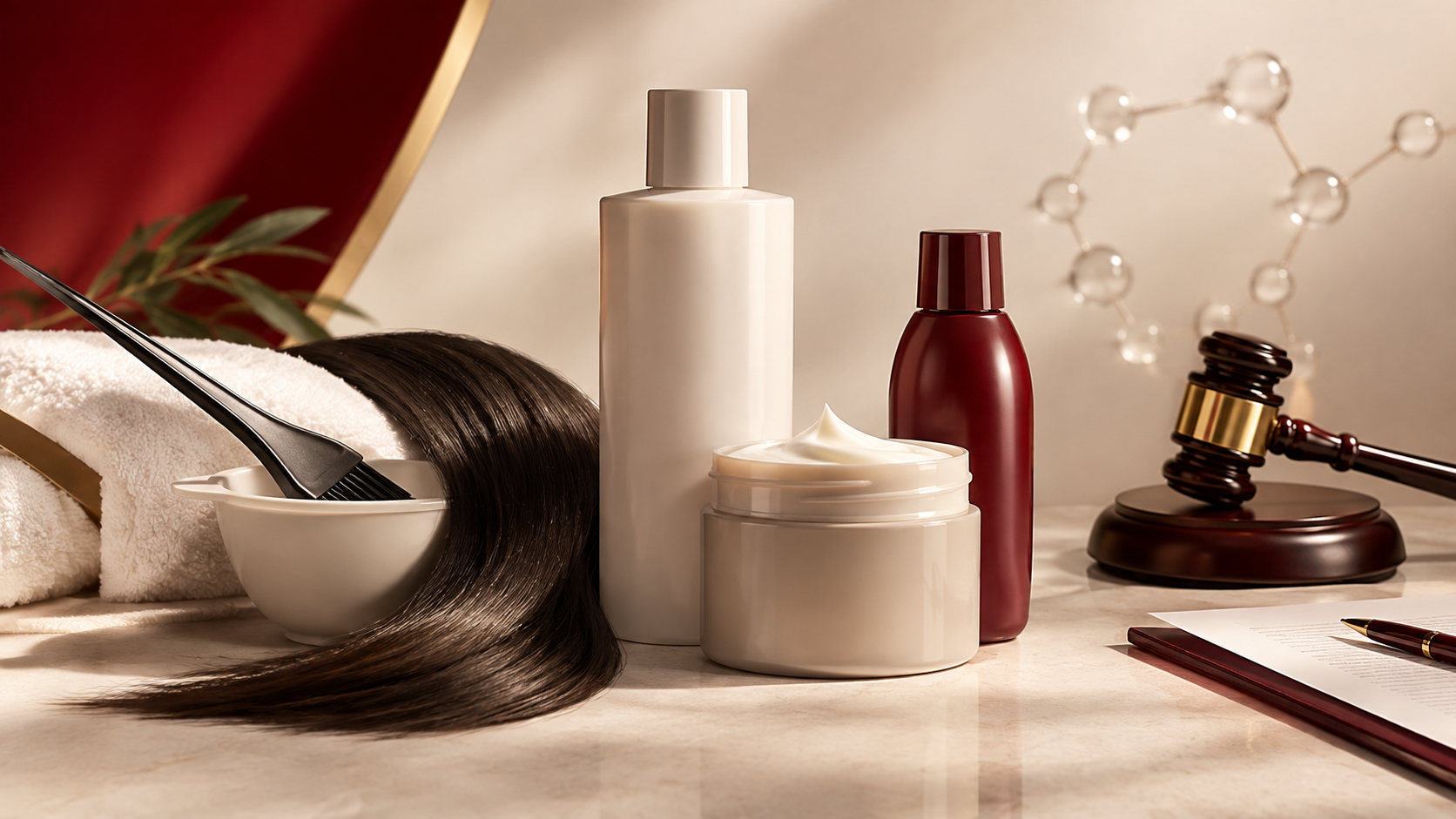
Arizona has filed a consumer-fraud lawsuit against L’Oréal USA, L’Oréal’s parent company, and SoftSheen, alleging that the companies sold and marketed chemical hair relaxers without adequately disclosing potential cancer risks.
The lawsuit focuses on products used to chemically straighten textured hair and alleges links to cancers including uterine and ovarian cancer. More than 12,000 similar lawsuits are already consolidated in federal court in Chicago. L’Oréal denies that its products cause cancer and maintains that its products are safe.
What Chemicals Are Behind the Concern?
The issue is not one single ingredient. Chemical relaxers can contain different types of active and supporting ingredients depending on the formulation.
L’Oréal’s Dark & Lovely relaxers, for example, have included sodium hydroxide in some formulations, while other relaxers use calcium hydroxide and guanidine-based systems. Some products and formulations may also contain ingredients such as parabens and other chemicals that researchers have investigated for possible endocrine or carcinogenic effects.
The scientific concern is broader than simply asking whether one ingredient is “toxic.” Researchers have investigated chemicals found in some hair straightening products, including formaldehyde or formaldehyde-releasing chemicals, parabens, phthalates, bisphenol A, and certain metals. Some of these substances have known or suspected carcinogenic or endocrine-disrupting properties.
What Does the Science Actually Show?
There is a reason this case deserves attention, but there is also a reason to avoid jumping to conclusions.
A 2022 NIH study followed more than 33,947 women for almost 11 years. Women who reported using chemical hair straighteners more than four times a year had more than twice the risk of developing uterine cancer compared with women who did not report using them. However, the study showed an association, not proof that the products directly caused cancer. The researchers also did not have information about the specific brands or ingredients used by the participants.
More recent research has also reported possible associations between hair straightener or chemical relaxer use and certain other cancers, including thyroid and pancreatic cancer. But researchers have emphasized that these findings require further confirmation.
So, can chemicals in these products affect hormones or contribute to cancer risk?
Potentially, yes. But that is not the same as proving that a specific L’Oréal product causes cancer.
Some ingredients found in hair straightening products have biological properties that make them scientifically plausible candidates for further investigation. At the same time, exposure depends on the exact formulation, concentration, frequency of use, application method, and whether the scalp is damaged or irritated. The available epidemiological studies cannot, by themselves, establish which specific chemical is responsible for the observed associations.
NBMakeup Analysis
The most important point is that this story should not be reduced to “L’Oréal sells cancer-causing products.” That conclusion has not been established.
There is legitimate scientific evidence raising concerns about frequent use of chemical hair straighteners, and there are plausible mechanisms involving certain chemicals found in some formulations. At the same time, L’Oréal disputes the allegations, and the existing research has not established a direct causal relationship between a specific L’Oréal product and cancer.
That distinction matters.
The Arizona lawsuit now puts a legal question alongside the scientific one: were the available safety signals strong enough that consumers should have received additional warnings?
At this stage, the responsible position is to wait for the evidence developed through the legal process and for further scientific research. The court proceedings may provide additional evidence about specific formulations, ingredients, exposure levels, and the strength of the alleged links.
Until then, the most accurate conclusion is neither “these products cause cancer” nor “there is nothing to worry about.”
There is a credible scientific signal that deserves investigation, but the causal question is not settled. The evidence presented in court and future scientific research will be important in determining what the risk actually is.
Sources:

No comment