
News Summary
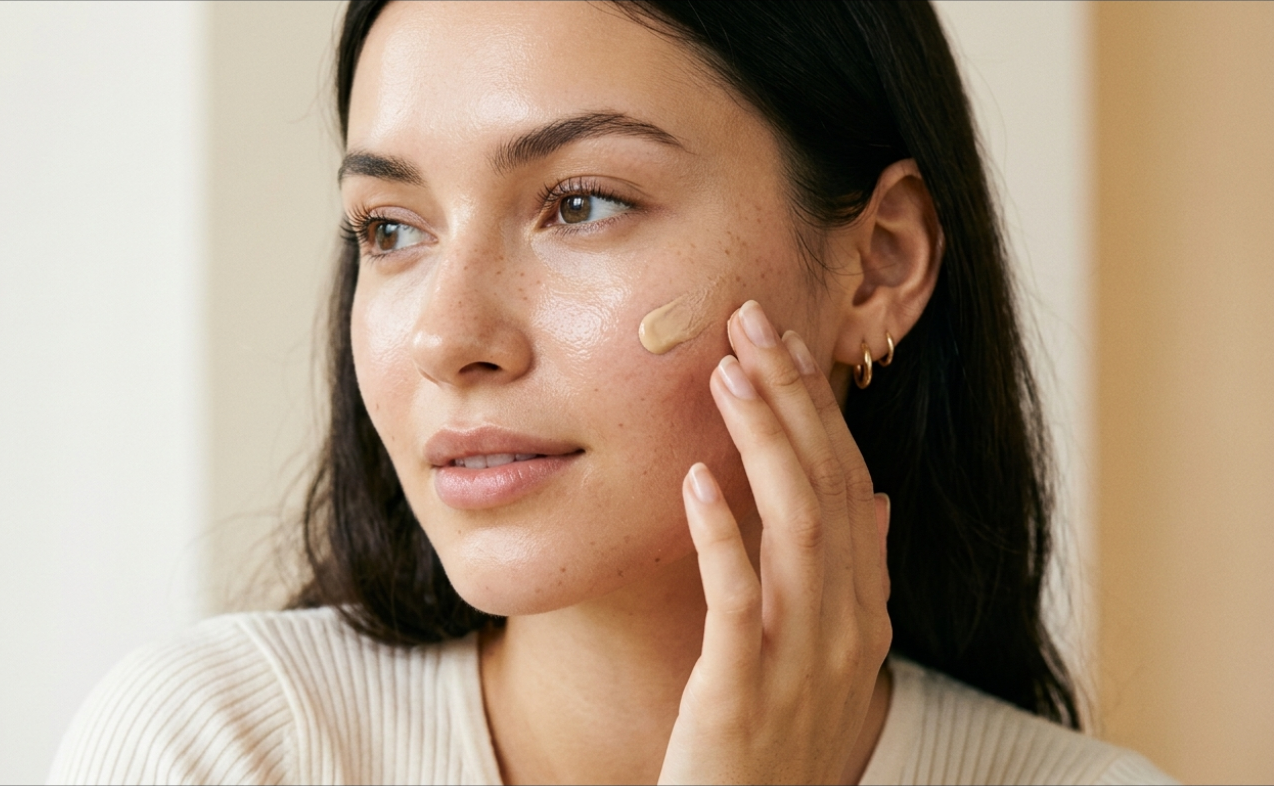
In recent months, so-called “milky” sunscreen textures have received increased attention across the beauty and skincare industry. These products are often described as fluid, easy-to-spread formulations designed for comfortable daily use.
At the same time, industry observers have noted growing consumer interest in sunscreen products that feel more like skincare than traditional sun protection products.
However, the terms “milky” and “lightweight” are often used interchangeably, even though they do not describe the same characteristic of a formulation.
NBMakeup Analysis
1. What This Means
The growing interest in milky sunscreens may reflect a broader shift in consumer expectations.
Rather than evaluating sunscreens solely on protection claims, consumers increasingly pay attention to texture, wearability, comfort, and compatibility with daily skincare and makeup routines.
As a result, formulation aesthetics have become an important part of product development within the sun care category.
2. What Is Interesting
One of the most interesting aspects of this trend is the distinction between “milky” and “lightweight.”
A milky texture refers to the physical appearance and structure of a formulation. These products are typically fluid emulsions with a thin, lotion-like consistency.
Lightweight, on the other hand, describes the sensory experience on the skin. A product can feel extremely lightweight without having a milky texture. Many gel-based or transparent sunscreen formulas are good examples.
This raises an important question: are consumers responding to the milky texture itself, or are they responding to the comfort, spreadability, and skin feel that many milky formulations provide?
3. What Remains Unclear
It remains uncertain whether milky sunscreens will establish themselves as a long-term product category or remain a temporary formulation trend.
It is also unclear whether consumers specifically seek milky textures or simply prefer sunscreen products that integrate more comfortably into their daily routines.
The answer may determine whether “milky sunscreen” becomes a lasting formulation direction or primarily a marketing term describing a desirable user experience.
NBMakeup Verdict
Milky textures in sunscreens are not a new concept. Similar formulations have been available for years, particularly in Asian beauty markets, where lightweight emulsions and fluid sunscreen textures have long been common.
What appears to be changing today is not necessarily the technology itself, but the level of marketing and media attention these textures are receiving. As a result, it is important to distinguish between a genuinely new formulation trend and increased visibility of an existing product format.
That said, the growing emphasis on texture and sensory experience highlights an ongoing reality within the sunscreen category: product performance alone is not always enough. Factors such as spreadability, comfort, finish, and ease of daily use continue to play an important role in how consumers evaluate products.
At this stage, there is not enough evidence to conclude that milky textures will become a dominant direction for the sunscreen market. However, they provide an interesting example of how formulation design and marketing often evolve together in a highly competitive beauty industry .
Milky Texture vs. Lightweight Texture: Understanding the Difference
The terms “milky” and “lightweight” are often used together in beauty marketing, but they describe different characteristics of a product.
A milky texture refers primarily to the physical appearance and structure of a formulation. These products are typically fluid emulsions with a thin, lotion-like consistency and a white or semi-opaque appearance. The term describes what the formula looks like and how it behaves when dispensed.
A lightweight texture, in contrast, refers to the sensory experience during and after application. A lightweight product generally feels comfortable on the skin, spreads easily, and leaves little sensation of heaviness or residue.
As a result, a product can be lightweight without being milky, and a milky product is not automatically lightweight .
Characteristics of Milky Textures
Milky formulations commonly have the following characteristics:
- Fluid, pourable consistency
- Lotion-like appearance
- Typically formulated as thin emulsions
- Often designed for easy spreading across the skin
- Frequently associated with skincare-inspired product formats
However, the sensory experience can vary depending on the specific formulation. Some milky products feel extremely light, while others may provide a richer or more moisturizing finish.
Characteristics of Lightweight Textures
Lightweight formulations are generally characterized by:
- Minimal feeling of heaviness on the skin
- Fast and comfortable application
- Reduced perception of residue after use
- Compatibility with layering routines
- A focus on sensory comfort rather than visual appearance
Lightweight products can be found in many different formats, including gels, fluids, serums, transparent liquids, and milky emulsions.
A Neutral Comparison
Neither texture should be considered inherently better than the other.
Milky texture describes a formulation style, while lightweight texture describes a user experience.
In some products, the two characteristics overlap. Many modern milky sunscreens are designed to provide a lightweight feel. However, the relationship is not absolute.
Consumers who prefer fluid, lotion-like formulations may gravitate toward milky textures. Consumers who prioritize comfort and minimal skin feel may focus more on whether a product feels lightweight, regardless of its appearance.
For this reason, evaluating a sunscreen based solely on marketing terms such as “milky” or “lightweight” may not provide a complete understanding of how the product will perform in real-world use.

No comment