
. News Summary :
New York lawmakers are considering the Beauty Justice Act, a bill that would restrict or ban the sale of personal care and cosmetic products containing certain chemicals. The bill has already passed the State Senate and is now awaiting action in the Assembly. If enacted, compliance deadlines would begin in 2029–2030.
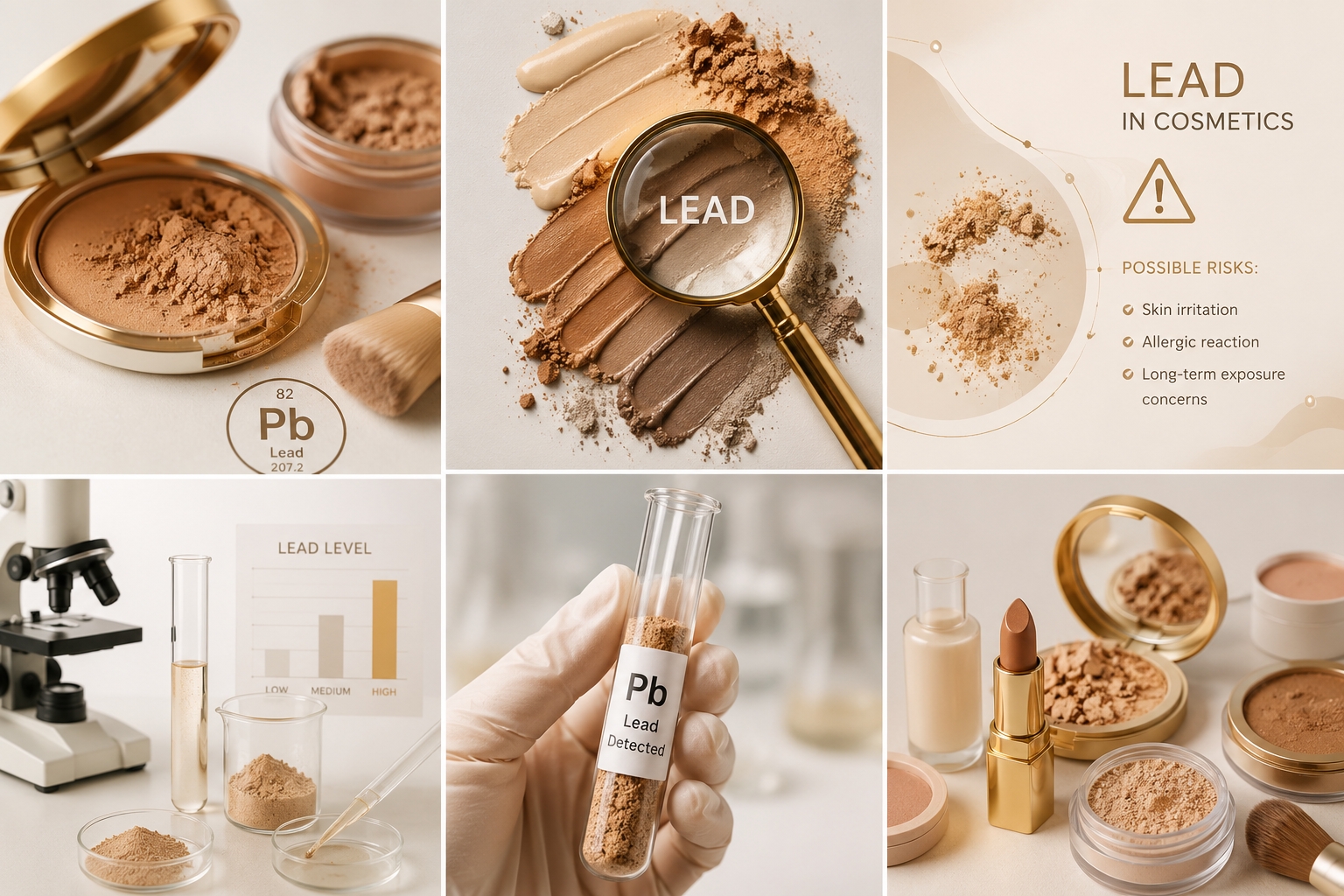
Targeted substances include formaldehyde, lead, mercury, PFAS, asbestos, and certain parabens. Supporters argue these chemicals are linked to health concerns such as hormone disruption, infertility, asthma, and cancer.
Sources :
. Why It Matters :
This is more than a local New York story.
Because New York represents one of the largest consumer markets in the United States, many beauty companies may choose to reformulate products nationwide rather than create separate versions for different states.
The bill could influence product development, ingredient selection, pricing, and future regulatory trends across the beauty industry.
. Professional Analysis :
The Beauty Justice Act could represent one of the most significant regulatory changes in the U.S. beauty industry in recent years.
If passed, many beauty brands may need to review and update the formulas of some of their products. As a result, consumers could see reformulated versions of existing products, changes in ingredient lists, and potentially higher prices for certain items.
At the same time, there are still ongoing debates among lawmakers, scientists, and industry stakeholders regarding some of the ingredients targeted by the bill. Because of this, the discussion goes beyond removing a few ingredients from cosmetic formulas—it is part of a broader conversation about how beauty products should be regulated in the future.
Overall, the Beauty Justice Act highlights the growing focus on ingredient transparency, consumer safety, and the evolving regulatory landscape of the beauty industry.
. NBMakeup Perspective :
Pros :
- Greater ingredient transparency
- Increased focus on consumer safety
- Potential alignment with stricter international standards
Cons :
- Higher reformulation costs
- Potential product price increases
- Greater burden on smaller beauty brands
. Limitations :
- The presence of an ingredient does not automatically indicate significant risk.
- Exposure levels, concentration, and usage patterns matter.
- Scientific and regulatory debates remain ongoing for some targeted ingredients.
. Who Should Follow This Story :
- Makeup artists
- Beauty founders
- Cosmetic chemists
- Clean beauty advocates
- Beauty industry professionals
General consumers should not interpret this legislation as proof that all current beauty products are unsafe. The debate is primarily about future regulatory standards and risk management, not immediate danger from all existing products .
No comment